To More Inquiry
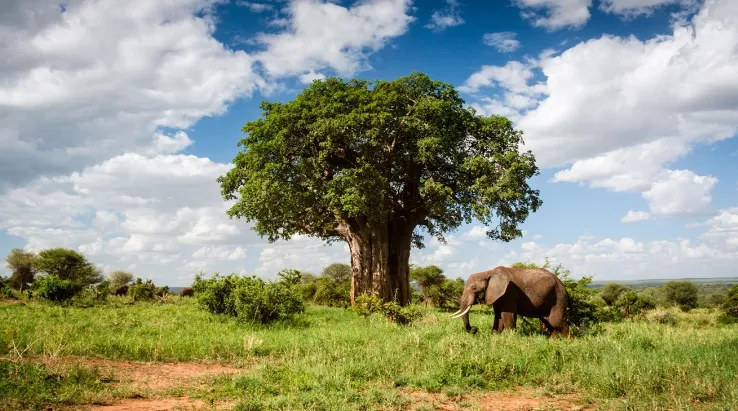
Tarangire National Park, located in northern Tanzania, is one of the country’s most captivating safari destinations. Known for its vast savannahs dotted with towering baobab trees and enormous elephant herds, Tarangire offers visitors a truly authentic African wilderness experience. Less crowded than Serengeti and Ngorongoro, it’s the perfect park for travelers seeking a peaceful yet wildlife-rich adventure.
Established in 1970, Tarangire National Park covers approximately 2,850 square kilometers and forms part of Tanzania’s northern safari circuit. The park lies about 118 kilometers southwest of Arusha, making it an ideal stopover for safaris heading toward Serengeti or Ngorongoro Crater. Its name comes from the Tarangire River, which flows through the park and serves as the main water source for wildlife, especially during the dry season.
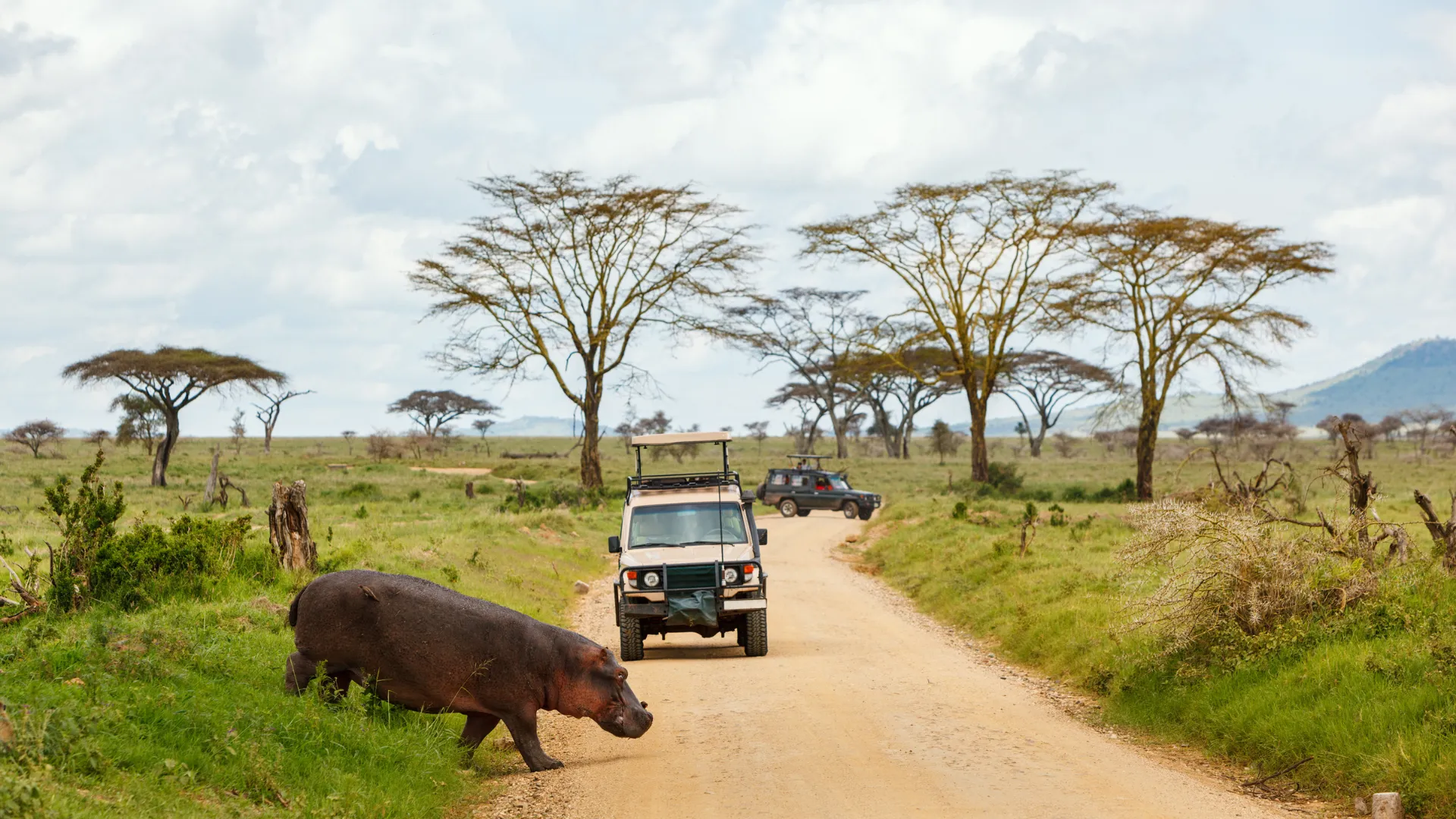
The park’s varied ecosystem — from grasslands and swamps to acacia woodlands and baobab-studded hills — supports a remarkable diversity of wildlife and birdlife, making it one of Tanzania’s hidden gems.
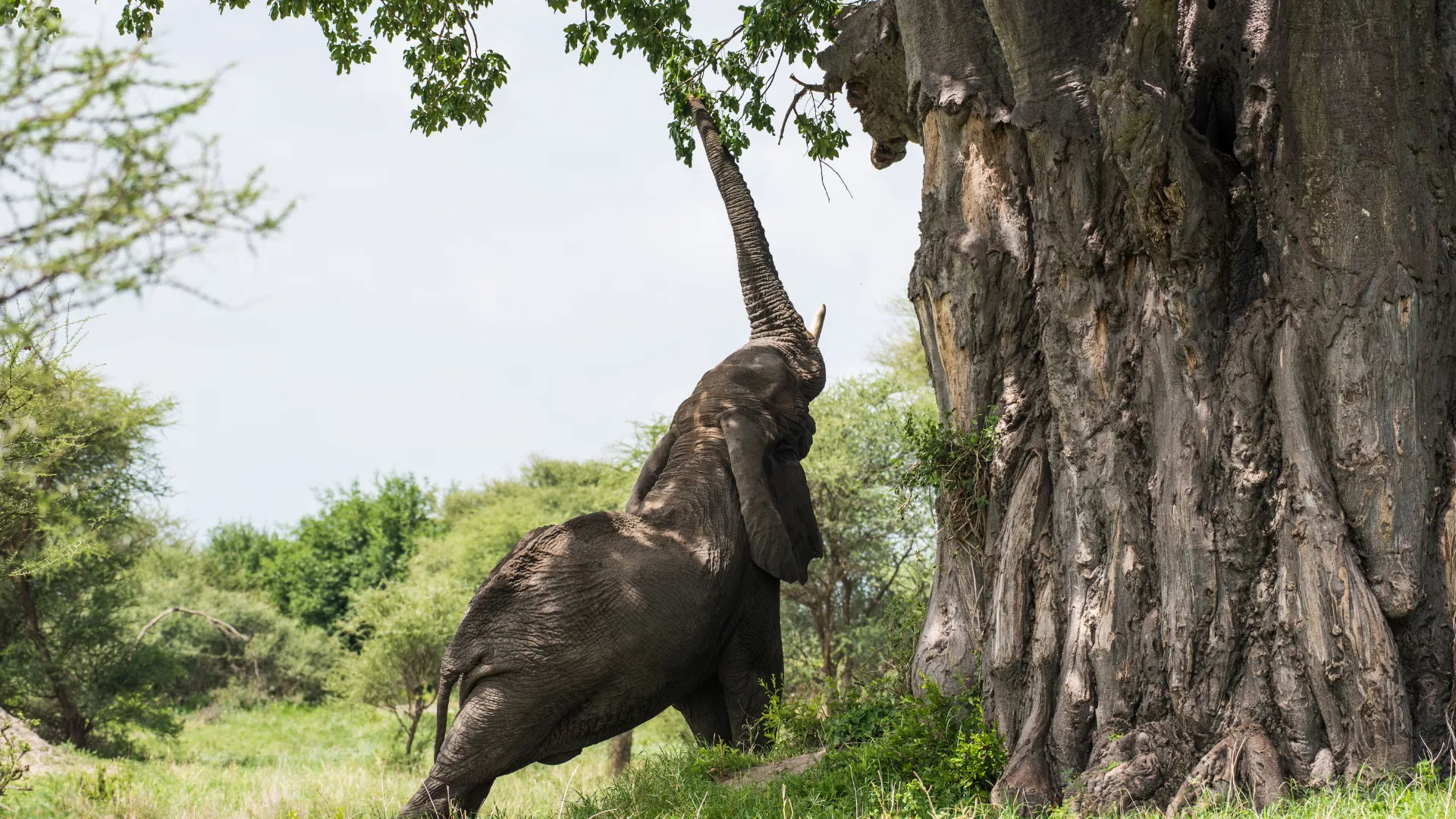
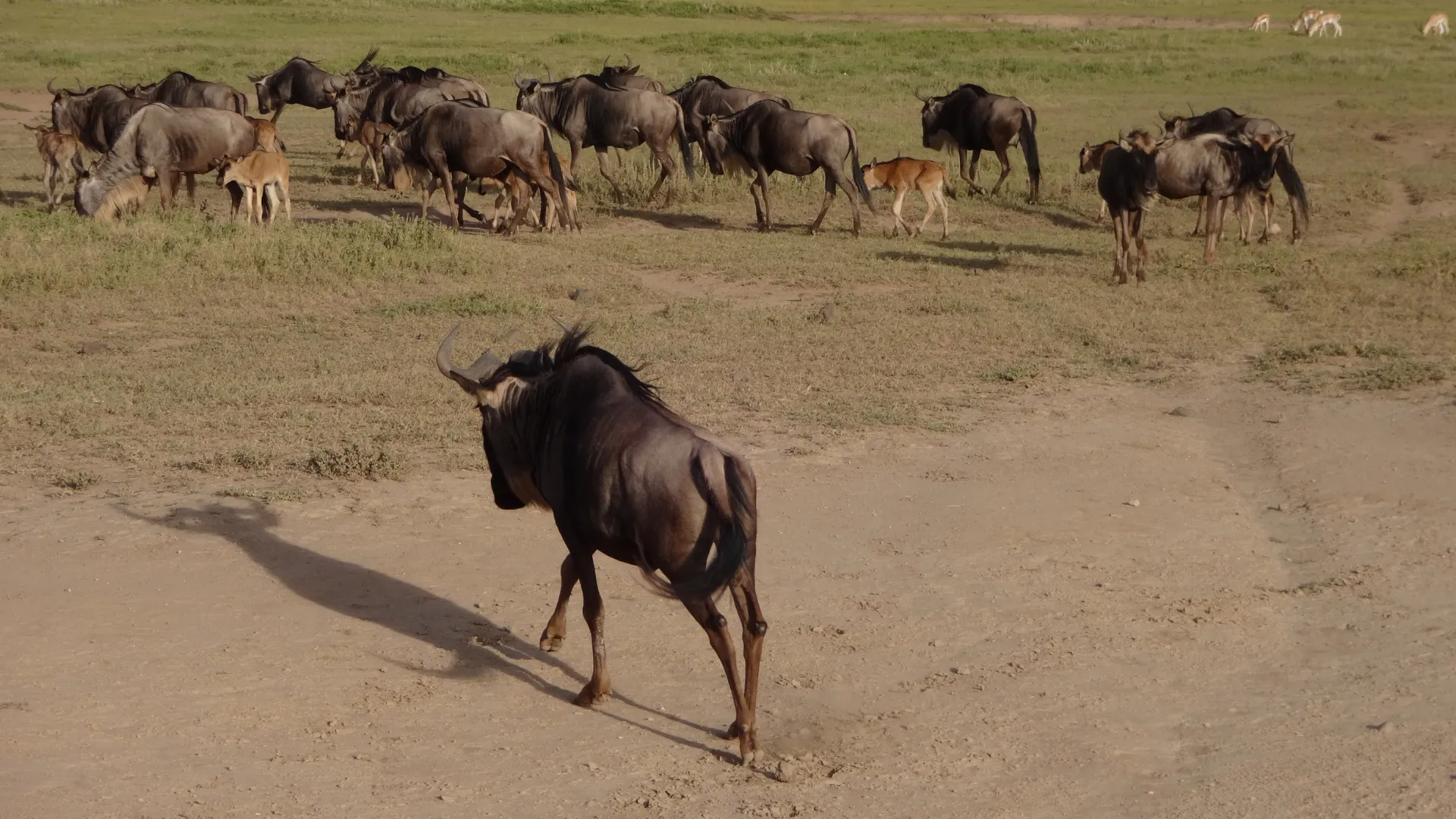
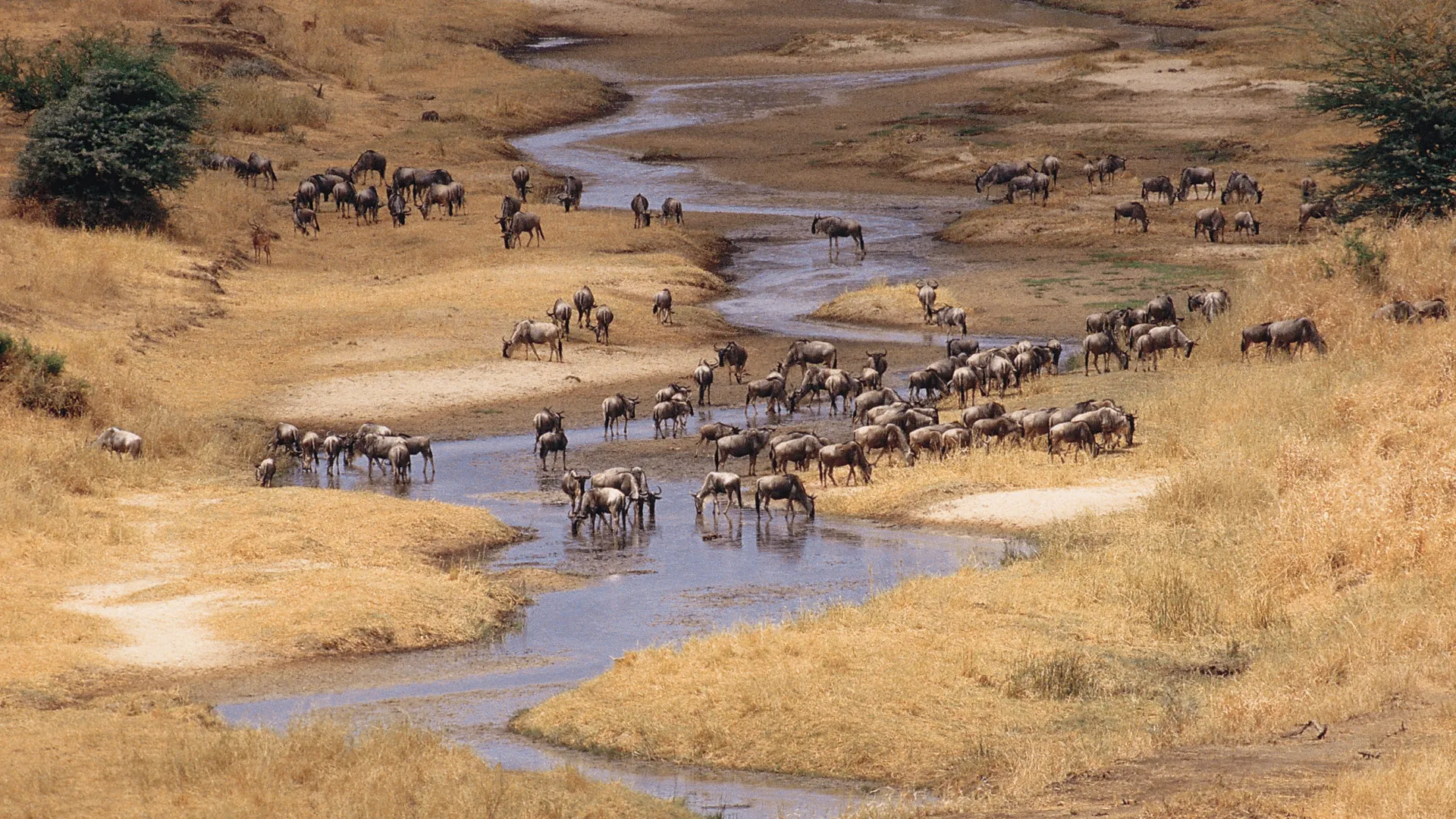
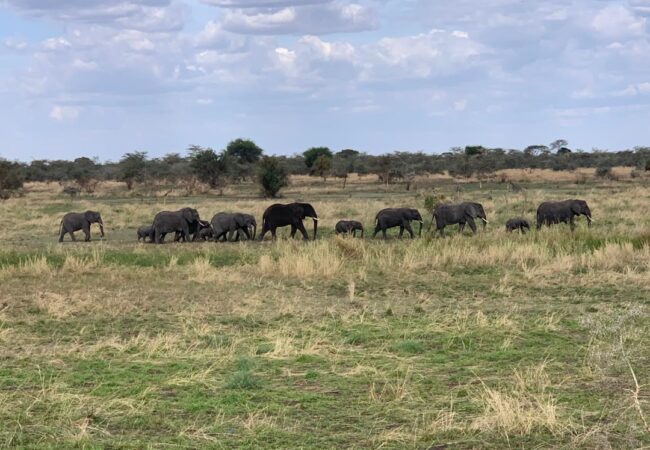
Tarangire is world-renowned for its large elephant population, often seen traveling in herds of up to 300 individuals. During the dry season (June to October), thousands of animals migrate to the park in search of water, creating one of the most spectacular wildlife concentrations outside Serengeti.
Key species include:
Elephants – Tarangire is home to the highest density in Tanzania.
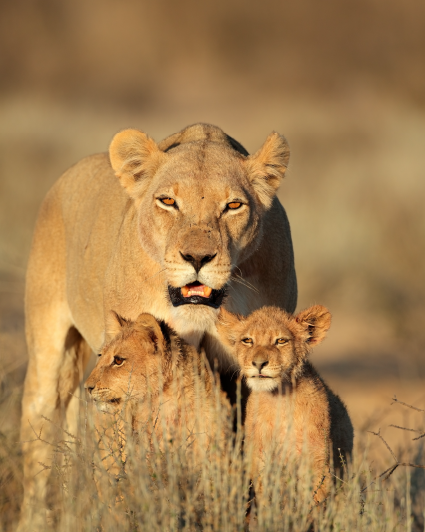
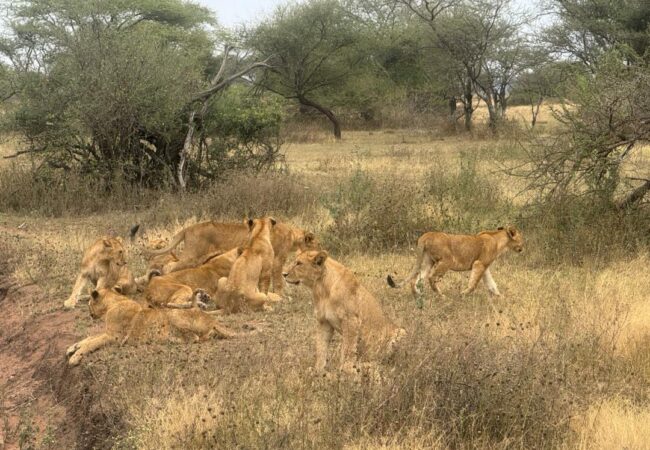
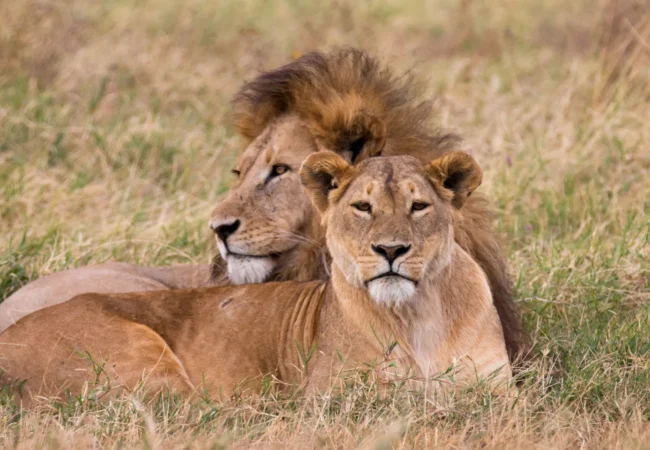
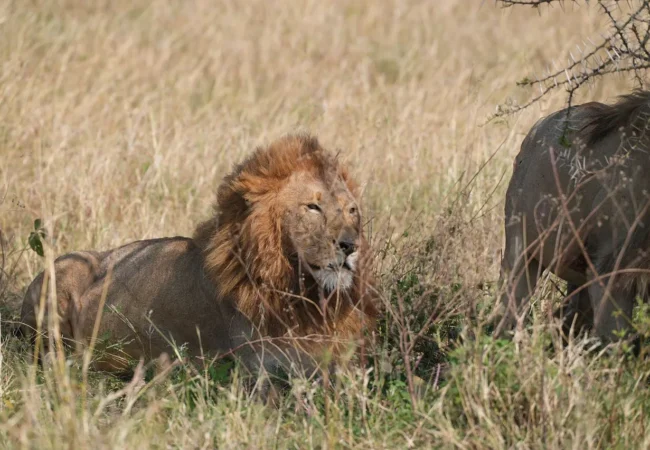
Big Cats – Lions, leopards, and cheetahs can be spotted near the river and open plains.
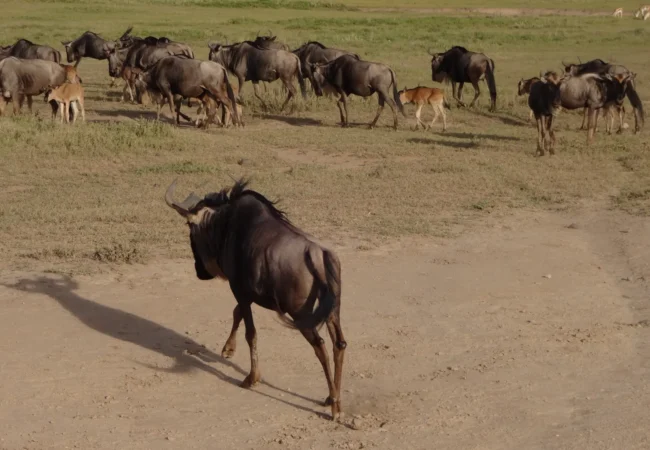
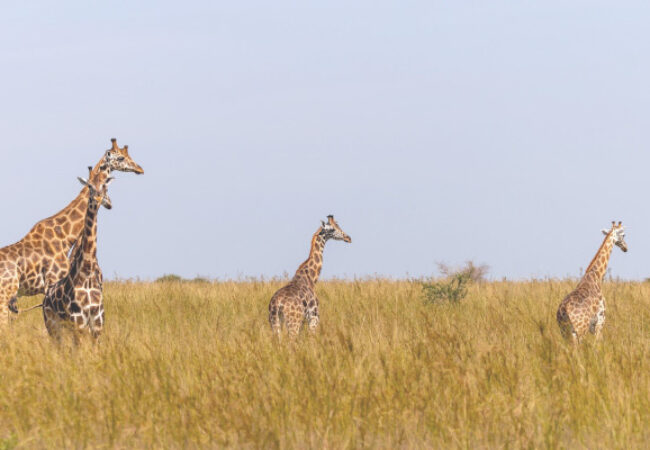
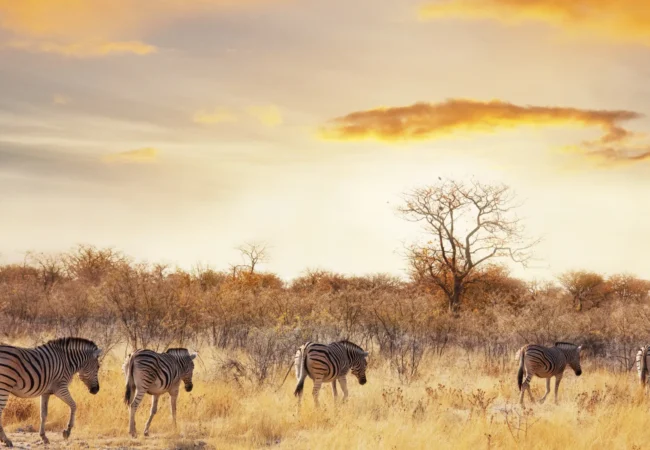
Herbivores – Buffalo, giraffes, zebras, wildebeest, elands, and impalas.
Rare species – Fringe-eared oryx and the long-necked gerenuk, both difficult to find elsewhere in northern Tanzania.
The Tarangire River, which runs year-round, acts as a magnet for animals during the dry months and offers prime game-viewing opportunities. The scenery is equally stunning, with rolling savannahs, termite mounds, and the park’s signature ancient baobab trees that dominate the horizon.
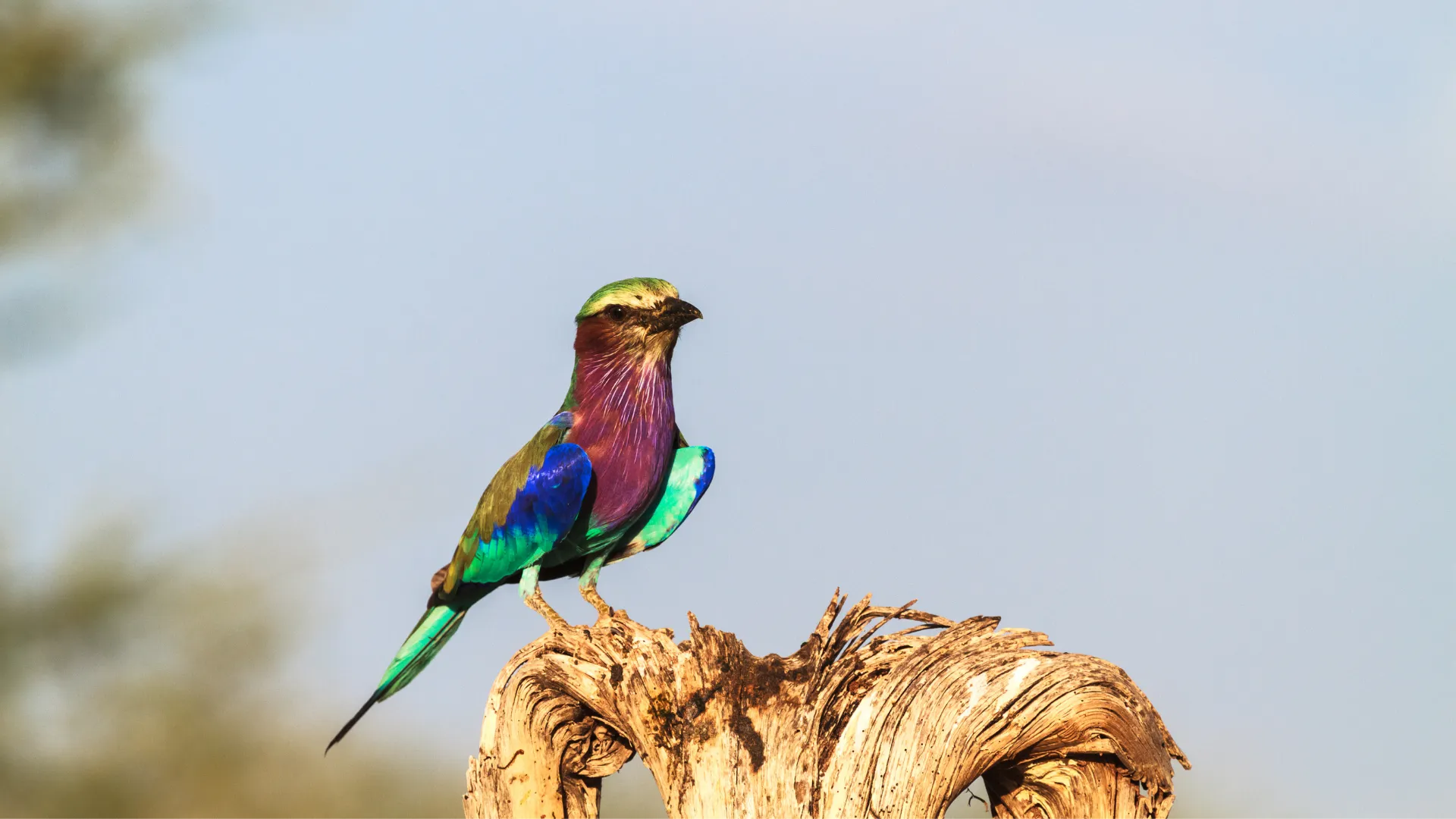
With more than 550 bird species, Tarangire is a birdwatcher’s paradise. The park is home to migratory and resident species such as:
Yellow-collared lovebirds
Lilac-breasted rollers
Hornbills
Ostriches
Kori bustards
Steppe eagles
The mix of wetlands and savannahs makes Tarangire one of the best birding destinations in East Africa.
Visitors can choose from a wide range of accommodations to suit all budgets:
Luxury lodges – Offer elegant rooms, infinity pools, and panoramic views of the park.
Mid-range tented camps – Blend comfort and wilderness with spacious safari tents.
Public campsites – Provide a more adventurous and affordable experience under the African sky.
Evening activities often include sundowner drives, bush dinners, and guided walking safaris, allowing guests to experience the wild from unique perspectives.
The park is open year-round, but the best time for wildlife viewing is during the dry season (June to October), when animals gather around the Tarangire River.
Dry Season (June–October): Excellent wildlife viewing, pleasant temperatures, and minimal rainfall.
Wet Season (November–May): Lush landscapes, baby animals, and vibrant birdlife — ideal for photographers and bird enthusiasts.
Getting There: Approximately a 2–3 hour drive from Arusha. Can also be reached via small charter flights.
Currency: Tanzanian Shilling (TZS).
Language: Swahili and English are widely spoken.
Park Hours: 6:30 AM – 6:30 PM daily.
Health Precautions: Take malaria prophylaxis and carry insect repellent.
Safari Tip: Combine Tarangire with Lake Manyara or Ngorongoro for a complete northern circuit safari.
TAXES INCL/PERS
TAXES INCL/PERS
TAXES INCL/PERS
TAXES INCL/PERS
TAXES INCL/PERS
TAXES INCL/PERS
TAXES INCL/PERS
TAXES INCL/PERS
TAXES INCL/PERS