
To More Inquiry
Ngorongoro Crater, a UNESCO World Heritage Site in northern Tanzania, is one of Africa’s most spectacular natural wonders. Renowned for its dramatic landscapes, incredible biodiversity, and rich cultural heritage, the crater offers an unparalleled safari adventure.
Join PackupGo Safari to explore this iconic destination, where wildlife, history, and breathtaking scenery converge to create an unforgettable journey.
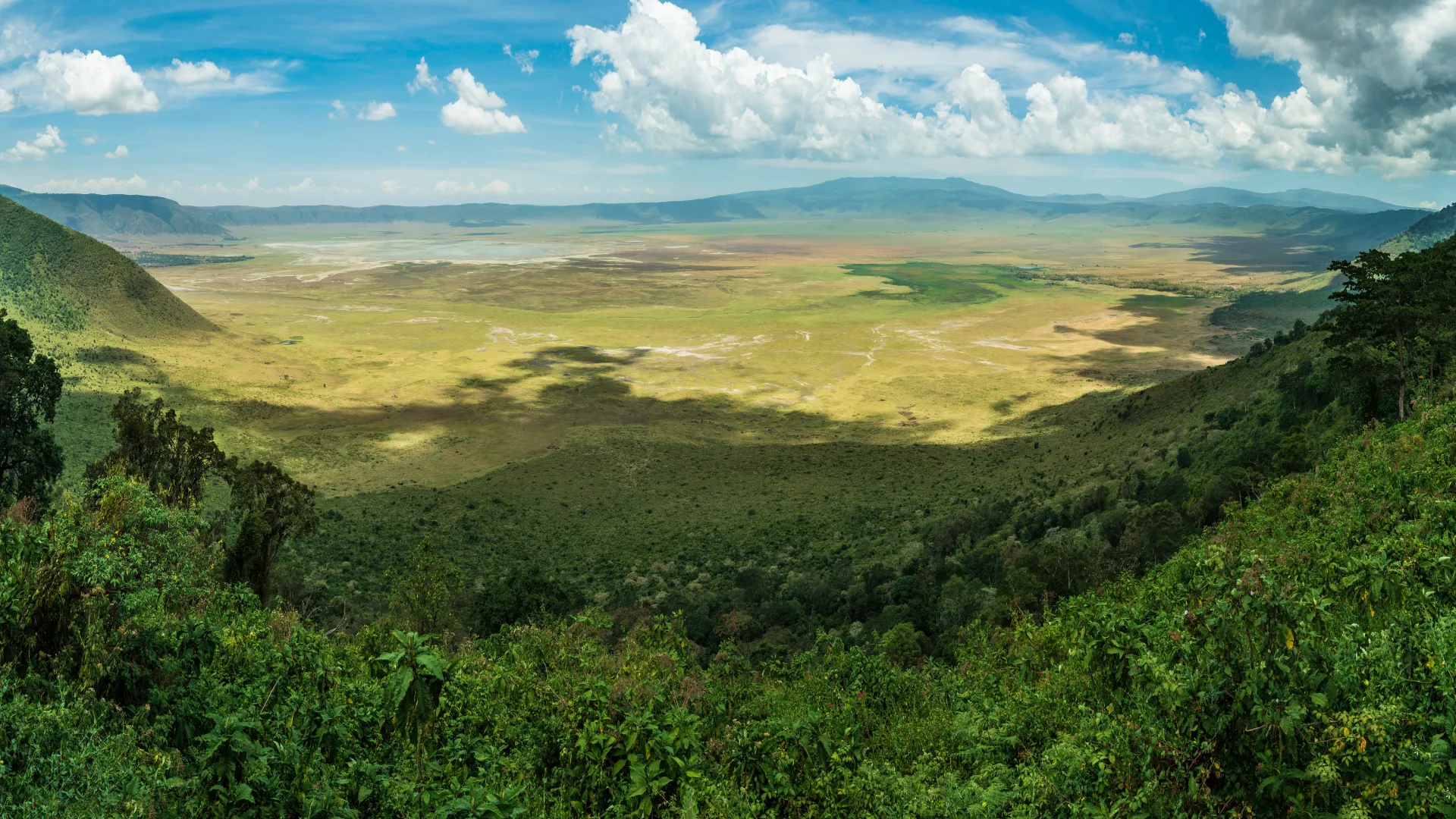
The Ngorongoro Crater, the world’s largest inactive volcanic caldera, formed millions of years ago when a massive volcano erupted and collapsed. Spanning 260 square kilometers with a depth of 610 meters, the crater is a breathtaking geological wonder. Its floor is a mosaic of grasslands, swamps, lakes, and forests, creating diverse habitats that support a remarkable array of wildlife.
The crater rim offers panoramic views of the lush floor below, dotted with herds of animals and shimmering lakes. Key landscapes include Lerai Forest, Gorigor Swamp, and Lake Magadi, each contributing to the crater’s unique ecological richness.
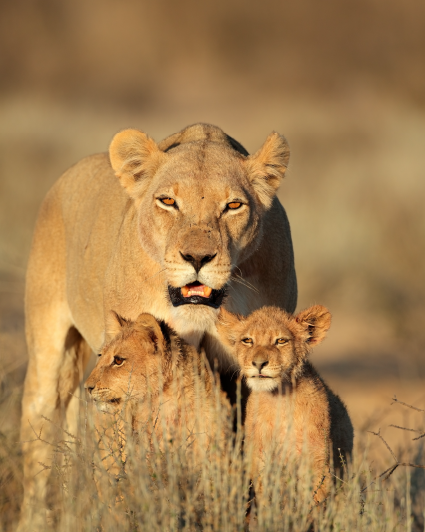
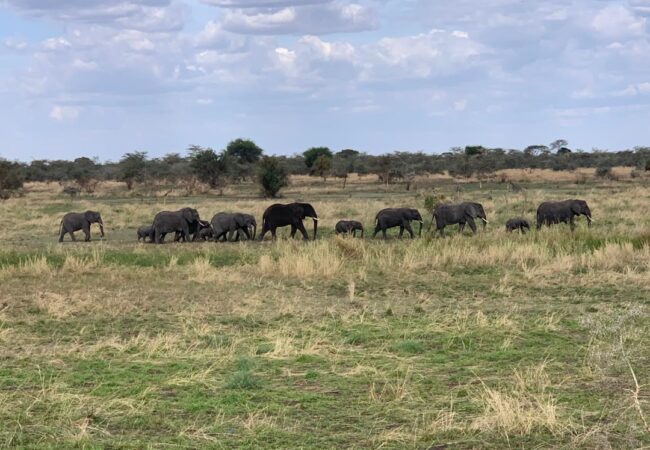
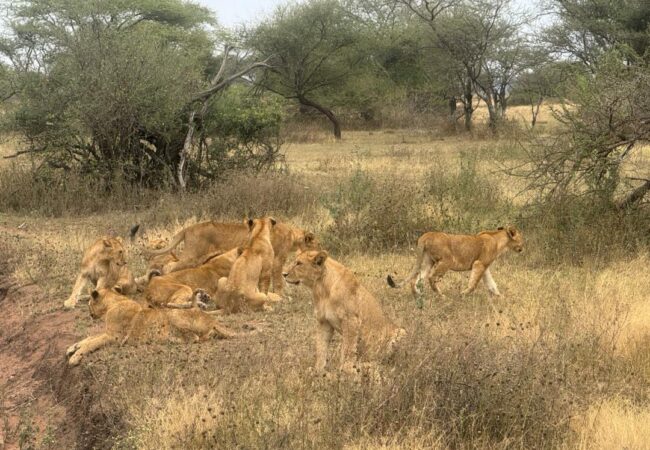
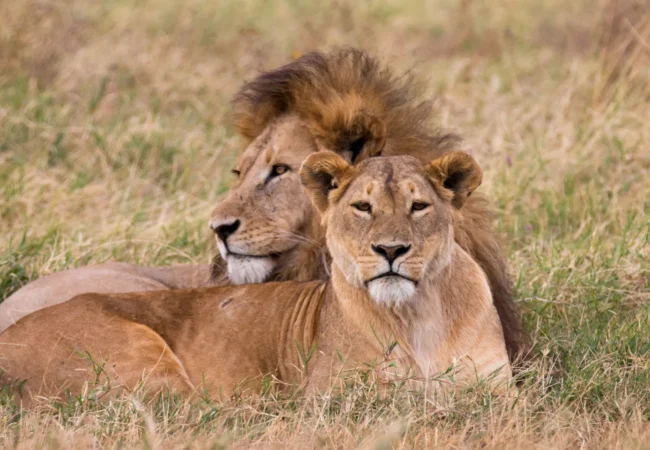
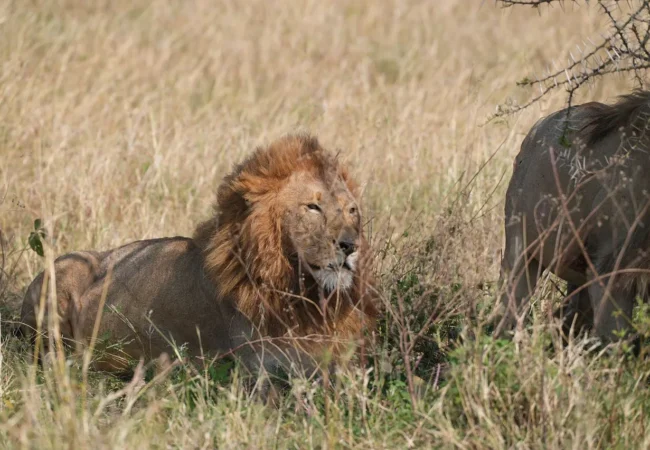
Ngorongoro Crater is often called “Africa’s Garden of Eden” due to its high density of wildlife. Approximately 25,000 large animals inhabit the crater, including the Big Five: lions, elephants, buffaloes, leopards, and rhinos. The relatively small area makes wildlife viewing highly rewarding.
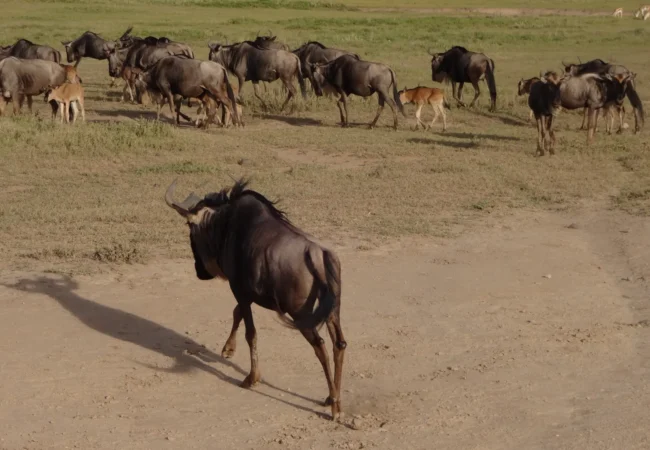
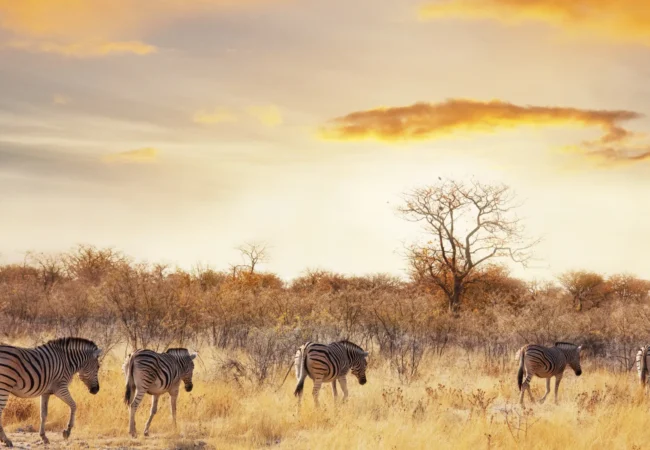
Beyond the Big Five, visitors may spot cheetahs, hyenas, wildebeest, zebras, hippos, and various antelope species. The crater is also one of Tanzania’s best places to see the endangered black rhino. Its diverse habitats support smaller mammals and reptiles, making every safari drive a unique adventure.
Ngorongoro Crater is a paradise for birdwatchers, hosting over 500 bird species. Wetlands attract flamingos and waterfowl, while grasslands and forests shelter raptors, ostriches, and songbirds. Notable sightings include the kori bustard, crowned crane, and the striking augur buzzard.
The Ngorongoro Conservation Area is home to the Maasai people, who have lived harmoniously with wildlife for centuries. Visitors can participate in cultural tours to learn about Maasai traditions, dress, livestock herding, and vibrant dances.
Within the conservation area lies Olduvai Gorge, a globally significant paleoanthropological site often called the “Cradle of Mankind”. The gorge has revealed some of the earliest evidence of human ancestors, and its museum provides fascinating insights into human evolution.
Game drives are the most popular way to explore Ngorongoro Crater. Early morning and late afternoon drives are ideal, as animals are most active during these times. Guided drives offer expert insights into the crater’s ecology and wildlife behavior.
For a more intimate experience, walking safaris are available around the crater rim and surrounding highlands. Armed guides lead these excursions, highlighting plants, smaller animals, and unique features often missed on game drives.
Engaging with Maasai communities adds a rich cultural dimension to your visit. Tourists can explore villages, observe daily activities, and gain a deeper appreciation of how humans and wildlife coexist sustainably in the region.
The dry season offers excellent wildlife viewing, as animals congregate near water sources. Weather is generally warm during the day and cool at night, making game drives comfortable and predictable.
The wet season brings lush landscapes and fewer tourists. This period is ideal for birdwatching and witnessing calving season, although some areas may be less accessible due to rains.
Ngorongoro Crater is accessible by road or air. Kilimanjaro International Airport (JRO) and Arusha Airport (ARK) serve as main gateways. Visitors can take charter flights to nearby airstrips or enjoy a scenic drive to the crater.
A variety of lodging options are available in and around the crater: luxury lodges, tented camps, and budget-friendly campsites. Popular choices include:
Ngorongoro Crater Lodge: Luxury with panoramic crater views.
Ngorongoro Serena Safari Lodge: Comfort and wildlife immersion.
Rhino Lodge: Affordable, scenic, and centrally located.
The Ngorongoro Conservation Area Authority (NCAA) works to safeguard wildlife and ecosystems, addressing threats like poaching and habitat loss. Sustainable practices ensure the long-term survival of the area’s rich biodiversity.
Local communities play a vital role in conservation. Initiatives support education, healthcare, and employment while fostering positive relationships between residents and the conservation area. Visitors are encouraged to learn about and support these programs during their stay.
Ngorongoro Crater is a natural and cultural treasure, offering an extraordinary safari experience. From abundant wildlife and stunning landscapes to Maasai heritage and ancient human history, every visit is a journey into Africa’s heart. Explore the crater with PackupGo Safari and create memories that will last a lifetime.
TAXES INCL/PERS
TAXES INCL/PERS
TAXES INCL/PERS
TAXES INCL/PERS
TAXES INCL/PERS
TAXES INCL/PERS
TAXES INCL/PERS
TAXES INCL/PERS
TAXES INCL/PERS