

- 207 Views
- 4 Min Read
- (0) Comment
Witness the World’s Greatest Wildlife Spectacle with Packup & Go Safari
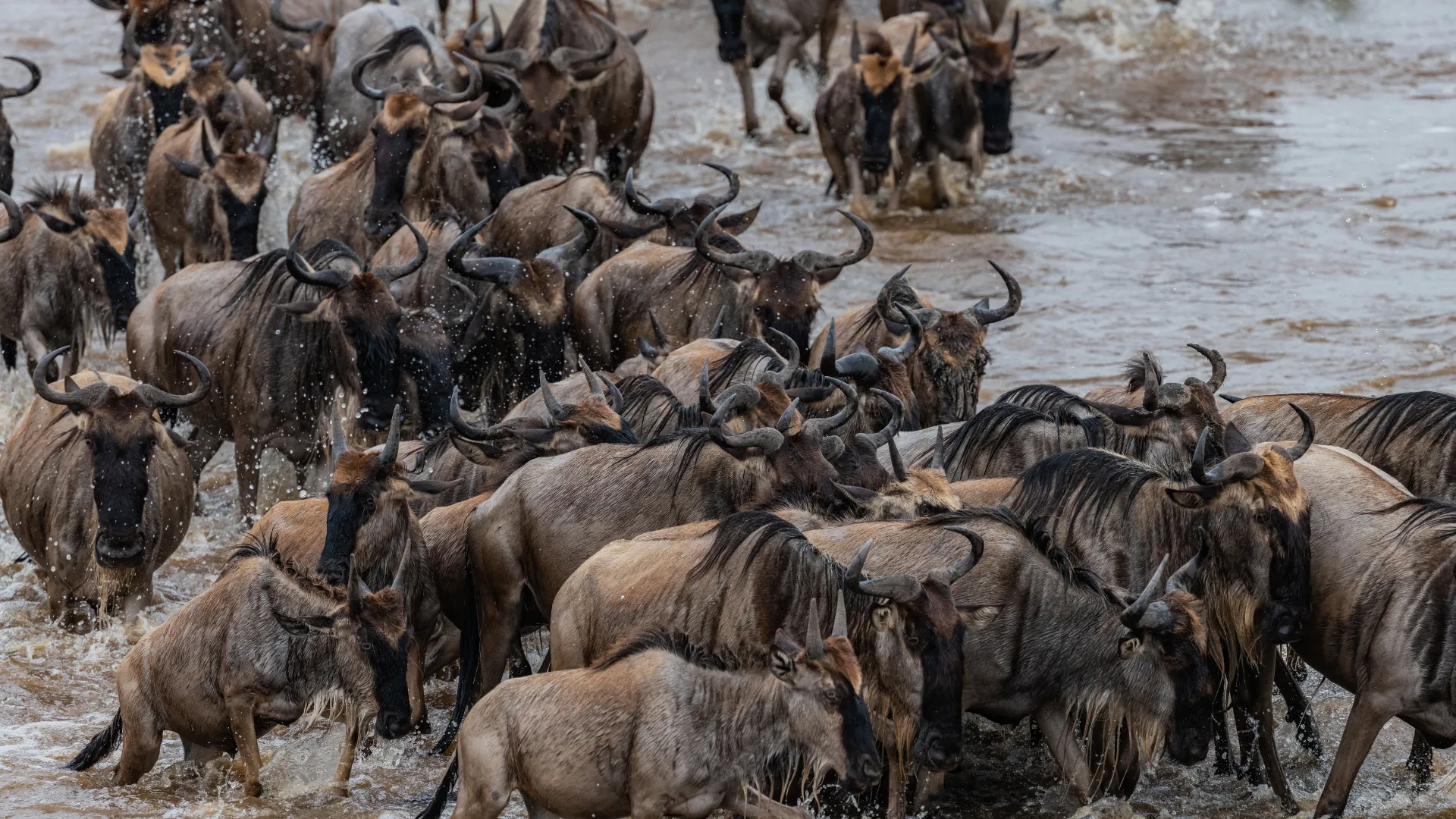
Every year, over 1.5 million wildebeest, 200,000 zebras, and thousands of gazelles embark on an epic journey across the plains of Tanzania and Kenya. This breathtaking phenomenon — known as the Great Wildebeest Migration — is one of nature’s most extraordinary events and a once-in-a-lifetime experience for every safari traveler.
If you’ve ever dreamed of seeing this spectacle up close, this guide will tell you everything you need to know — when to go, where to stay, and how to witness the migration in all its glory.
What Is the Great Wildebeest Migration?
The Great Wildebeest Migration is a year-round, circular journey across the Serengeti (Tanzania) and Masai Mara (Kenya) ecosystems.
It’s driven by the animals’ instinct to follow the rains in search of fresh grazing grounds — a continuous rhythm of life, death, and renewal that defines the African savanna.
This massive movement covers nearly 1,800 miles (2,900 km) annually and attracts predators like lions, cheetahs, crocodiles, and hyenas, creating some of the most thrilling wildlife scenes on Earth.
The Migration Calendar: Month-by-Month Movement
January – March: Calving Season (Southern Serengeti & Ndutu Plains)
-
Around 500,000 newborn wildebeest are born within a few weeks.
-
The Ndutu area turns into a wildlife nursery, with predators lurking nearby.
-
Excellent time for photography and witnessing the circle of life.
🟢 Best Parks: Southern Serengeti, Ndutu, Ngorongoro Conservation Area
April – May: Green Season Movement (Central Serengeti)
-
Herds begin moving northwest as rains continue.
-
Landscapes are lush and scenic, with fewer crowds and great birdwatching.
-
Ideal for travelers seeking peace and value.
🟢 Best Parks: Central & Western Serengeti
June – July: Grumeti River Crossings (Western Serengeti)
-
The herds reach the Grumeti River, where giant crocodiles await.
-
Exciting river crossings begin — smaller than the Mara River, but intense.
-
Dry season begins; perfect game-viewing weather.
🟢 Best Parks: Western Corridor, Grumeti Game Reserve
August – September: Mara River Crossings (Northern Serengeti & Masai Mara)
-
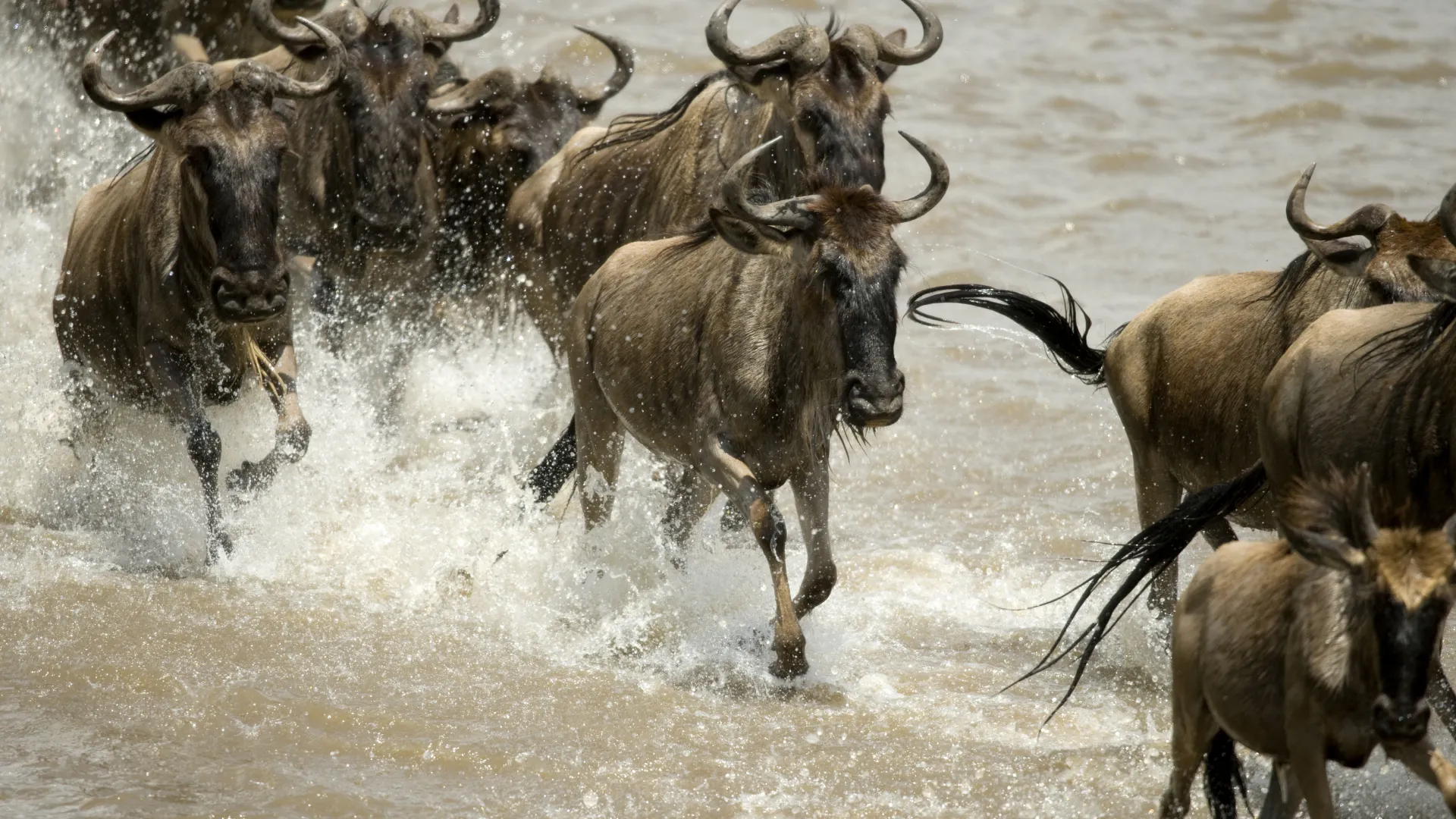
The migration reaches its dramatic peak — thousands of wildebeest plunge into the Mara River, facing crocodiles and strong currents.
-
This is the most spectacular and photographed moment of the migration.
🟢 Best Parks: Northern Serengeti (Kogatende & Lamai), Masai Mara (Kenya)
October – November: Return to the Serengeti
-
As short rains begin, herds move back south into Tanzania.
-
Excellent wildlife sightings continue in the central Serengeti.
🟢 Best Parks: Central Serengeti, Lobo, Seronera
December: Rest Before Renewal
-
The herds settle back in the Southern Serengeti, ready for another calving season.
-
The cycle begins anew, completing the Great Migration circle.
🟢 Best Parks: Ndutu Plains, Southern Serengeti
What Makes the Great Migration So Special?
-
World’s Largest Mammal Migration: Over 2 million animals on the move.
-
Incredible Predator Action: Lions, cheetahs, hyenas, and crocodiles hunt in real time.
-
Changing Landscapes: From lush green plains to dusty river crossings — each phase offers a different safari experience.
-
Year-Round Adventure: There’s always something happening, no matter when you visit.
Best Time to See the Great Migration
| Migration Phase | Best Months | Key Location |
|---|---|---|
| Calving Season | January – March | Ndutu (Southern Serengeti) |
| Grumeti Crossings | June – July | Western Serengeti |
| Mara Crossings | August – September | Northern Serengeti & Masai Mara |
| Return Journey | October – November | Central Serengeti |
👉 Pro Tip:
If you want to see river crossings, plan your safari between July and September. For baby animals and predators, visit January – March.
Best Places to Stay During the Migration
-
Ndutu Safari Lodge – Perfect for calving season (Jan–Mar).
-
Grumeti Tented Camp – Ideal for Grumeti River crossings (Jun–Jul).
-
Lamai Serengeti Camp – Top spot for Mara River crossings (Aug–Sep).
-
Seronera Wildlife Lodge – Great all-round choice for central Serengeti.
Packup & Go Safari partners with trusted lodges and mobile camps positioned perfectly to match the migration’s movement — ensuring you’re always in the right place at the right time.
How to Experience the Migration with Packup & Go Safari
Choose your style of adventure:
-
🚙 Classic Game Drives: Daily drives in 4×4 safari vehicles with expert guides.
-
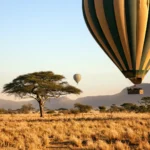
🎈 Hot Air Balloon Safari: Witness the herds from above at sunrise — truly unforgettable.
-
🦶 Walking Safaris: Get closer to the action with armed guides and trackers.
-
🏖️ Bush to Beach Holidays: End your migration safari with relaxation in Zanzibar.
Travel Tips for Migration Safaris
-
Book Early: Lodges fill up fast during peak migration months (June–October).
-
Carry Binoculars & Camera Gear: Long lenses help capture river crossings.
-
Layer Your Clothing: Mornings are cool; afternoons warm up quickly.
-
Travel with Experts: Choose experienced safari operators like Packup & Go Safari for real-time migration tracking and flexible routing.
Extend Your Adventure
Combine your Serengeti safari with:
-
Ngorongoro Crater – For rhinos and dense wildlife viewing
-
Tarangire National Park – Famous for elephants and baobab trees
-
Zanzibar Island – For a relaxing post-safari beach escape
👉 View Our Great Migration Safari Packages →
Final Thoughts
The Great Wildebeest Migration is more than just a natural event — it’s a story of survival, instinct, and wonder.
Every phase offers something different, and every traveler leaves with unforgettable memories.
At Packup & Go Safari, we design personalized migration safaris based on your travel dates, style, and budget — ensuring you witness Africa’s greatest show at its best.
📞 Plan Your Great Migration Safari Now
📧 Email: info@packupgosafari.com
📞 WhatsApp / Call: +255 754 510 784
Let’s make your African dream a reality — from the Serengeti plains to the Mara River crossings.
Leave a comment: